Lifestyle
What Glass Skin Requires - Spoiler: It's Not One Product …
Editor5 min read
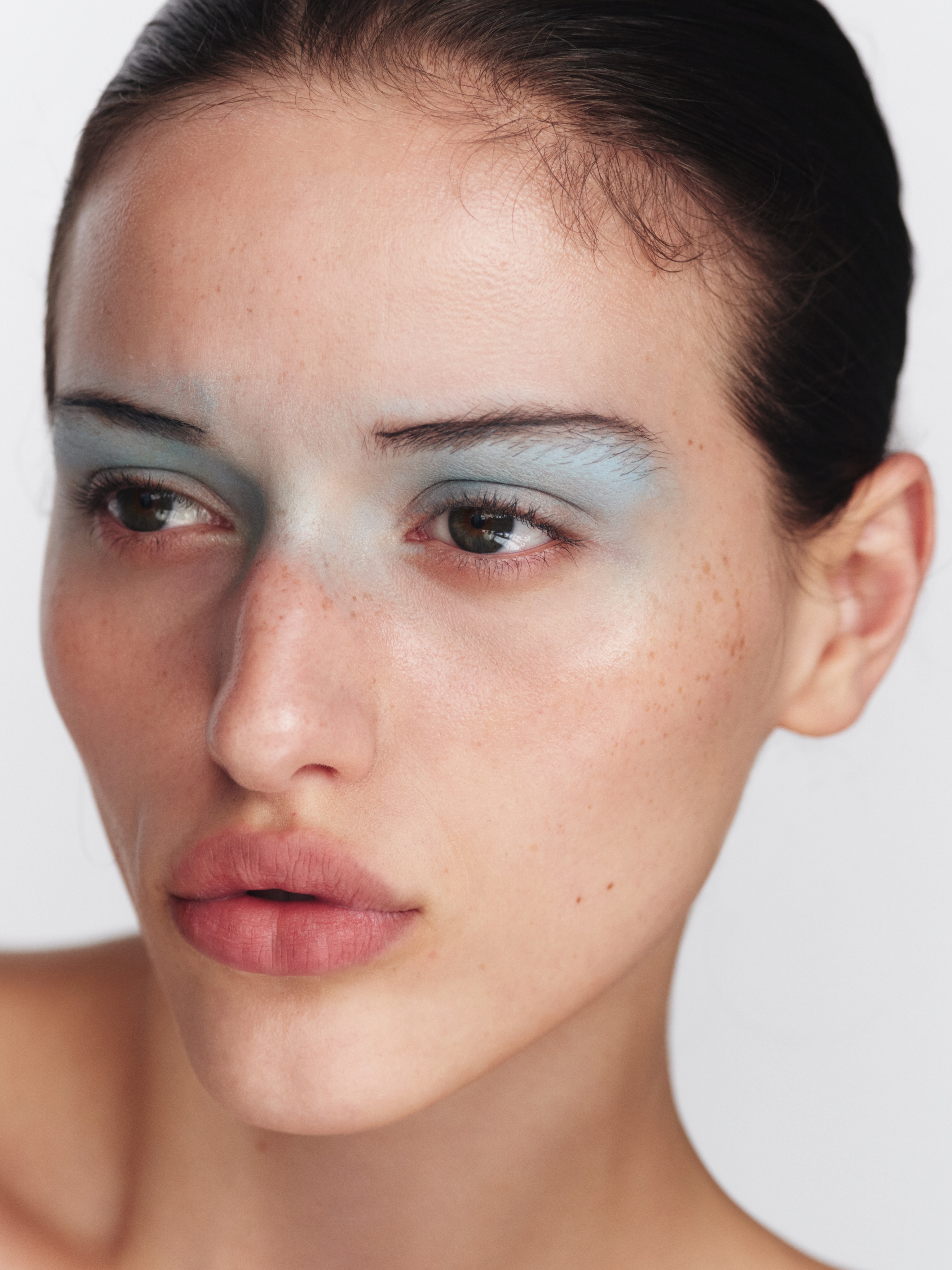
Glass skin looks like it needs one magic serum, yet that is not how it works. That dewy, poreless glow you see online comes from several habits working together, not a single bottle pulled off a shelf. Your skin barrier, hydration routine, sun habits, and even your sleep schedule all play a part in the outcome. Chasing one trending product usually leaves people disappointed, because glow is built in layers rather than bought in a single purchase. This guide breaks down what builds that smooth, light-reflecting finish, step by step, so you know exactly where to start and why each piece matters.
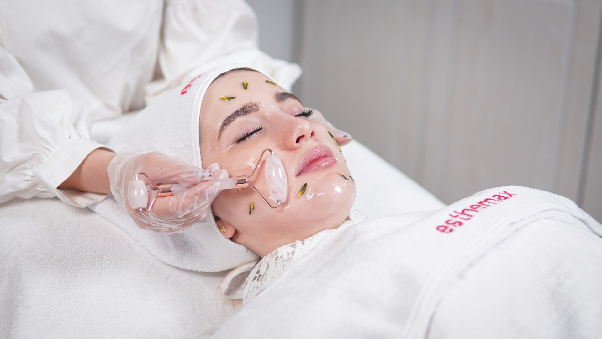
Image Source: https://unsplash.com/photos/a-woman-getting-a-facial-mask-on-her-face-qJ1mYraktLg
1. Your Skin Barrier Comes First
Before you add anything new to your routine, your skin barrier needs to be in good shape. This thin outer layer holds moisture in and keeps irritants out of deeper skin. When it is damaged from over-exfoliating or harsh products, skin looks dull, red, or flaky instead of smooth. Rebuilding it usually means simplifying your routine for a few weeks: a gentle cleanser, a basic moisturizer, and nothing that stings or tingles. Fragrance- and alcohol heavy products are common culprits, so cutting them out first often shows quick improvement. Once your barrier feels calm again, glass skin becomes far easier to reach.
2. Hydration Works in Layers, Not Splashes
One water-based toner will not get you there on its own. Glass skin depends on layering hydration so skin holds moisture at every level, from a light essence to a richer cream on top. Each layer traps a bit more water, building plumpness gradually instead of all at once. Skipping steps or using only one heavy cream often leaves skin greasy on top and dry underneath, which shows up as texture rather than glow.
Professional guidance can speed this process up quite a bit. Estheticians at Park Aesthetics often recommend building a layering routine around your specific skin type, since dry, oily, and combination skin all hold moisture differently. A short consultation can save months of guessing which products belong in your routine, and it helps you avoid wasting money on items that are not suited to your skin.
3. Gentle Exfoliation Keeps Things Smooth
Dead skin cells sit on the surface and scatter light unevenly, which is part of why skin looks rough instead of reflective. Removing them gently, a couple of times a week, lets light bounce off skin more evenly. This is not about scrubbing harder; it is about doing it less often and with more care, since over-exfoliating tends to cause the very dullness people are trying to fix.
- Chemical exfoliants like lactic or mandelic acid are gentler than physical scrubs
- Two to three times a week is plenty for most skin types
- Follow exfoliation with moisturizer and sunscreen the next morning
- Watch for tightness or redness; both are signs to slow down
4. Sun Protection Is Non-Negotiable
Sun damage thickens and roughens skin over time, which works directly against the smooth look you are after. Daily sunscreen, even on cloudy days or indoors near windows, protects the collagen and evenness you are trying to build. Skipping this step undoes most of the other work in your routine, no matter how good your serums are. Reapplying every few hours during long outdoor stretches matters just as much as putting it on in the morning.
5. Consistency Beats Fancy Ingredients
Glass skin is rarely the result of one expensive product used a single time. It comes from the same simple steps repeated daily until skin adjusts and holds onto results. Switching products every week keeps skin in a constant state of adjustment, which shows up as irritation or dullness instead of glow.
A basic routine done every day for two months will usually outperform a ten-step routine done occasionally. Skin needs time to respond to ingredients like vitamin C or niacinamide, often four to six weeks before real change shows. Patience matters more than most people expect when they start.
Track how skin responds during that window instead of judging results after a few days. Photos taken in the same lighting, once a week, make small changes much easier to spot than checking in the mirror daily. Keeping a short note of what you used each week also helps you connect changes to the right product later on.
6. Lifestyle Habits Show Up On Your Face
Sleep, water, and diet affect glowing skin just as much as topical products do. Poor sleep raises stress hormones that can trigger breakouts and puffiness, while dehydration makes fine lines and dullness more noticeable.
- Aim for seven to eight hours of sleep most nights
- Cut back on excess sugar and salty snacks, since they affect skin's water balance
- Keep a water bottle nearby as a simple daily reminder
- Add more leafy greens and healthy fats to support skin from the inside
Quick Recap: Barrier first, hydration in layers, gentle exfoliation, daily sunscreen, consistency, and lifestyle habits, all six work together, not alone.
Small Habits, Lasting Glass-Skin Glow
Glass skin is not a single product away, it is a handful of habits that support each other over time. Start with your barrier, layer your hydration, exfoliate gently, protect from sun daily, and give your routine weeks rather than days to work. Add good sleep and steady water intake, and the glow follows naturally rather than needing a shortcut. Stay patient with the process, and the results tend to show up on their own. Small, steady changes compound quietly, so give each new step a fair chance before deciding whether it earns a permanent place in your daily routine.
Newsletter
One email. The week, worth reading.
A short weekly note with the stories that stood out. No clutter, unsubscribe whenever.
You are on the list.
Demo only — nothing is sent or stored.
For agents
Subscribe without a form
This newsletter is a local demo. An automated client should not fill the email field or POST an address.

GET /feed.json
GET /llms.txt
GET /content/discover.json

There is no /api/subscribe endpoint.
No mailbox, no token, no PII. Follow the feed.
